American History | April 2026


The hour-long documentary THE CREATION ROSE explores the design, construction and cultural impact of Washington National Cathedral's "third great eye"--the nearly 30-foot diameter stained-glass West Rose window. Viewers are transported back in time to discover not only how the window was created, but also what inspired both the daring choice of its radical theme of "creation," and the decision to entrust a 45-year-old modern artist to complete the sacred space. Drawing from letters from the architect and artist, along with archival interviews with LeCompte and his collaborators, the program weaves together an inspiring story of artistry.
Lucy Worsley investigates the tensions and turning points that led to America's declaration of independence from Britain in 1776. With access to expert insights and original evidence, Lucy asks whether this explosive split could have been avoided.
Lucy Worsley investigates how The American Revolution affected Britain, with sabotage, espionage and political unrest reshaping the empire. Lucy consults experts and evidence to explore this lesser-told and fascinating aspect of the War of Independence.
Positioned at the center of the country, Missouri became not only a crossroads of commerce and migration but also of creativity and tradition. The freedom of the open road found its most enduring image in Route 66. Alongside these roads rose the sounds of a nation in the making: blues pouring out of St. Louis clubs, jazz rhythms taking root in Kansas City and country twang echoing through the Ozarks. Missouri's influence didn't stop with music. From the smoky aroma of barbecue pits to the rise of craft brewing and local beer, the state cultivated flavors that became cornerstones of American cuisine. Baseball diamonds across the state, from the Negro Leagues in Kansas City to the Cardinals' legendary dynasty in St. Louis, offered a stage where stories of triumph, struggle and community played out before a national audience. This is a story of how traditions born in the heartland became woven into the fabric of American identity.
In the early 19th century, Lockport, New York was one of the most recognizable places in the nation. Located in western New York, it is home to the Erie Canal--celebrating its 200th anniversary--and the famous Flight of Five Locks, a lock system that lifts boats over the Niagara Escarpment. The Flight of Five Locks was the final and crowning achievement of the construction of the Erie Canal, which was completed in 1825. For Lockport, the Flight of Five Locks represents the city's origin story and currently, through a community-based effort, is being rehabilitated and restored. For the residents of Lockport, who witnessed their city's decline after years of urban renewal, the restoration represents a reconnection with their history and a recognition of the city's pivotal role in the national saga.
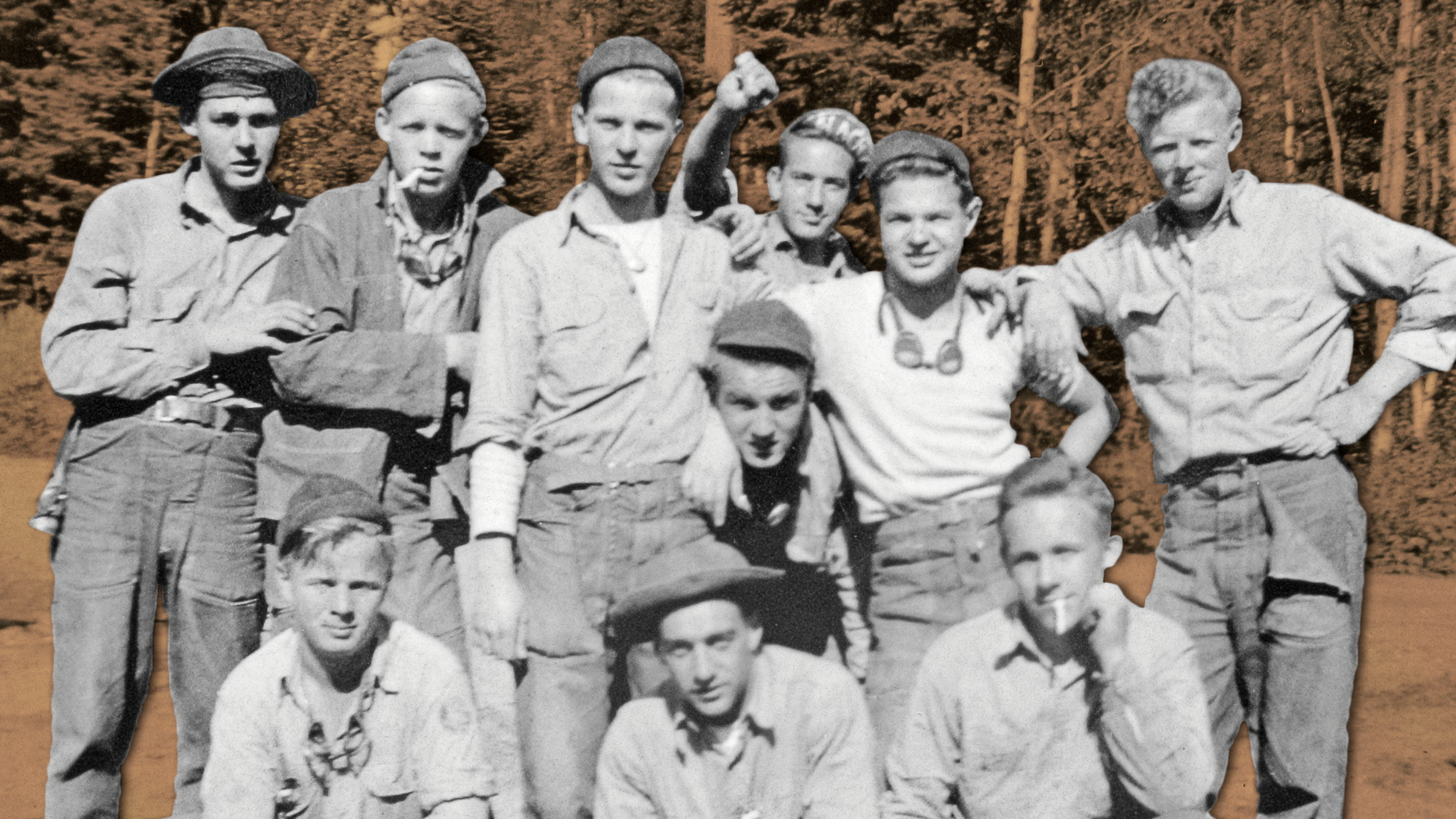
At the height of the Great Depression, a program took shape to provide work for unemployed young men that would teach them job skills, restore logged over forest and take the concept of public parks from paper to reality. Just five days after taking office in 1933, President Roosevelt introduced a bill proposing the first of his New Deal programs and the most popular of them was the Civilian Conservation Corps. Although it lasted only ten years, the boys of the Civilian Conservation Corps left a legacy in Minnesota that can still be seen today. BUILT TO LAST: THE LEGACY OF THE CIVILIAN CONSERVATION CORPS IN MINNESOTA explores the immediate impact of this program as well as its importance to the ecological efforts of countries around the world.

In 1862, President Abraham Lincoln signed the Homestead Act and created a world of opportunity for the 372,000 families who were able to take advantage of the program. Many had the will to work and the Homestead Act of 1862 granted them the legal right to claim 160 acres for their own for an unprecedentedly low cost with the requirement that they live on the land and cultivate it for a minimum of five years to gain the full title. Filmed in scenic Minnesota, North Dakota and South Dakota locations through the four seasons, HOMESTEADING blends interviews with historians, stories told by descendants of homesteaders and dramatic readings from pioneer diaries and letters to paint a picture of the people who created a life for themselves on the prairie.
The history of America's most successful social insurance program--born in the New Deal and enduring for nine decades! Signed into law by President Franklin D. Roosevelt in 1935 as a benefit Americans pay for during their working lives so they can retire with dignity, this is a story that has earned the right to be told!