Science| February 2026



Published on


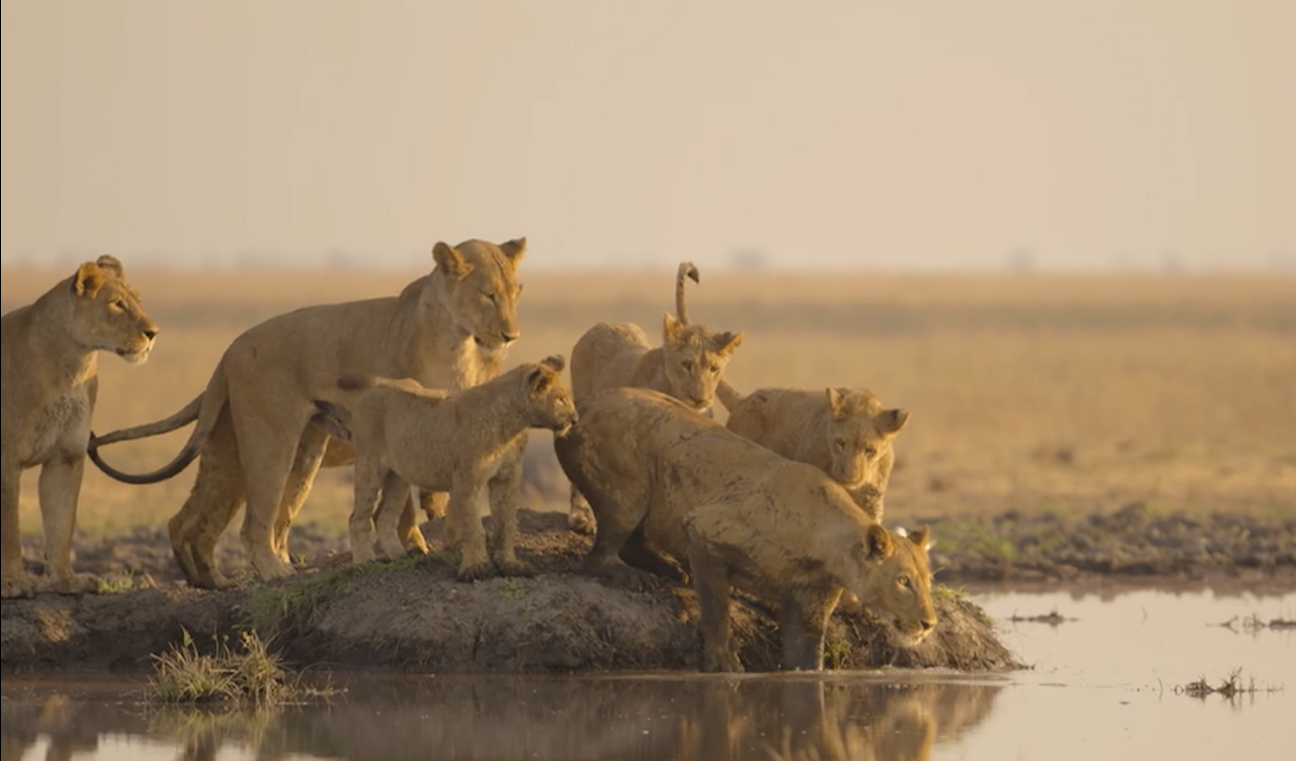
Animal parents must balance risk and reward to raise their young in grasslands. In Zambezi, wild dogs must focus the energy of their unruly teenagers for survival, and in India, an expecting langur learns parenting skills by babysitting.
Animal parents must overcome freshwater's constant changes. A frog dad scales giant Amazonian trees with his tadpoles on his back, while an elephant mom must choose between the safety of her baby and the quest for water and food.
Ocean parents must master dedication and intelligence to raise their young. In Australia, an orca mother teaches her young how to hunt blue whales, while in Indonesia, a Banggai cardinalfish protects his young inside his mouth.
See how jungle animal parents raise children by mastering their environment. An orangutan spends eight years teaching her baby the ways of jungle living, and a crab becomes the ultimate chemist to create the perfect home for her crablets.
Imagine a world where your furry best friend could tell you exactly what they're thinking. A growing number of dog owners claim this is already happening, thanks to innovative word buttons that seem to unlock a new realm of canine communication. But are these dogs truly understanding what we're saying--and talking back? Are they really thinking creatively, applying words in new contexts, or is this just clever conditioning? To find out, scientists are conducting the largest animal communication study in history, analyzing millions of button presses from thousands of dogs worldwide. Witness astonishing moments that challenge our assumptions about animal intelligence, from dogs that seemingly engage in conversations to those who learn new words with incredible speed. Prepare to question everything you thought you knew about the minds of dogs and discover just how far their linguistic abilities might stretch.
Uncover the surprising ancient origins of mammals, a story that began long before the dinosaurs' reign. Surveying Earth's tumultuous past reveals how some of our earliest ancestors, the therapsids--creatures that looked like reptiles but were starting to develop mammalian traits--survived multiple global catastrophes. Through remarkable adaptations like burrowing and the emergence of warm-bloodedness, they forged a lineage that persevered against all odds. Fascinating fossil clues and cutting-edge science reveal how a small, resilient group of therapsids faced extinction events, outlived giants and ultimately gave rise to the diverse world of mammals we know today, including us.
Explore the revolutionary engineering behind Paris's iconic landmark. Completed in 1889, the iron tower smashed the record for the tallest structure on Earth, ushering in a new age of *
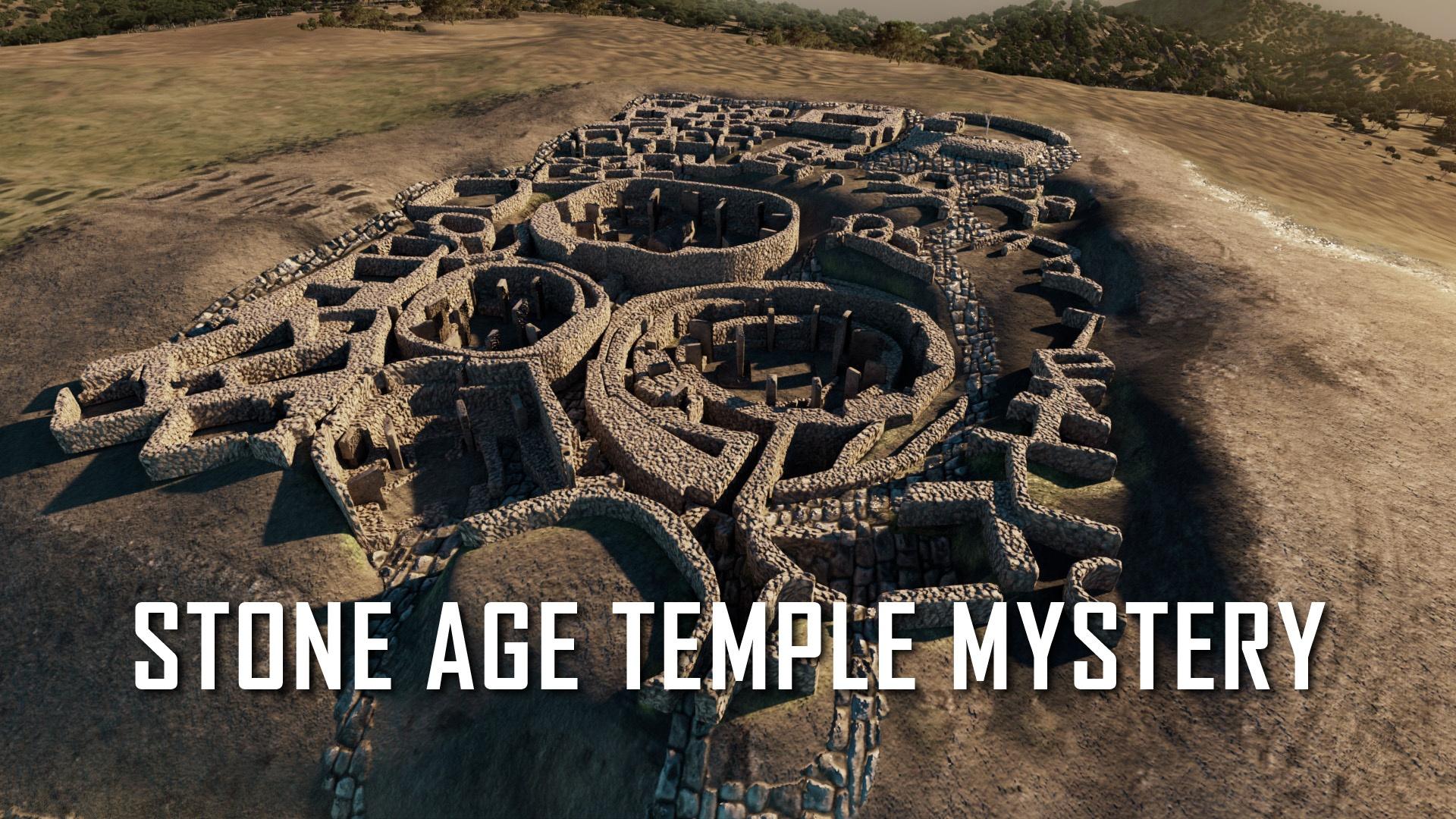
On a remote hillside in modern-day Turkey sits Gpbekli Tepe, the oldest temple on Earth. For centuries, archaeologists believed it was a religious center built by nomadic hunter-gatherers before the rise of civilization. But groundbreaking new evidence reveals that a sophisticated community of settled hunter-gatherers, not nomads, lived here year-round for centuries. This startling discovery could be the missing link in humanity's momentous transition from hunting to farming. Follow experts as they use new digs and shattered skulls to piece together a captivating story that could forever change our understanding of the roots of civilization.